OTTAWA – Prime Minister Mark Carney announced a temporary suspension of the federal fuel excise tax on gasoline and diesel, a move the government says will provide short-term relief to Canadians facing rising energy costs.
The move came hours after the Liberal government picked up all three seats being contested in by-elections to give them 174 seats. 172 seats are required for a majority.
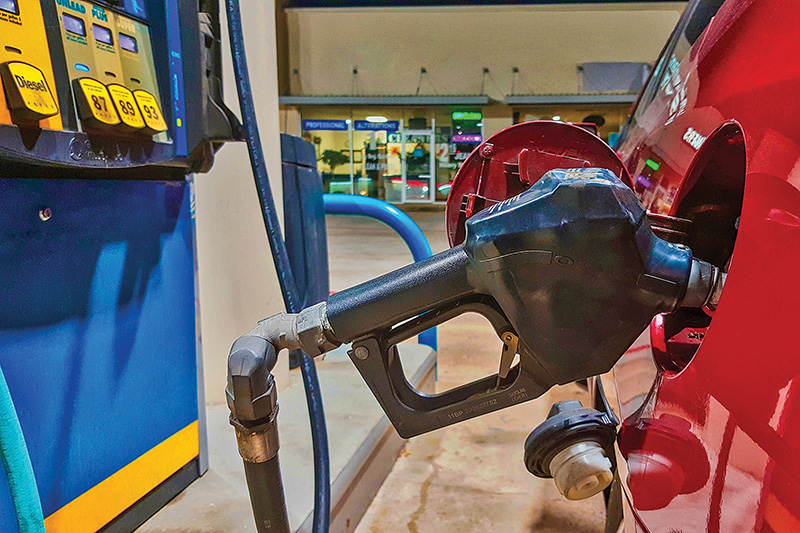
The measure, set to take effect April 20, will remain in place until Sept. 7, reducing the price of regular gasoline by an estimated 10 cents per litre and diesel by about four cents per litre. The suspension will also apply to aviation fuels.
The announcement comes as global energy markets continue to face pressure from geopolitical instability and supply disruptions, particularly in the Middle East, factors that have contributed to higher fuel prices worldwide.
“We’re building a stronger, more resilient, and more independent Canadian economy,” said PM Carney. “As we build, we’re cutting your taxes, reducing the costs of your homes, and providing you relief at the pump. We cannot control what other nations do. We’re focused on what we can control – building Canada strong for all.”
Federal officials say the temporary tax relief is aimed at easing pressure on households while also lowering operating costs for industries that rely heavily on fuel, including transportation, agriculture, construction and food distribution.
Finance Minister François-Philippe Champagne said the measure is part of a broader affordability strategy.
“To support Canadians through the current global energy market disruptions, our government is delivering timely, meaningful, and tangible relief for Canadians at a time when they need it,” said Champagne. “By lowering fuel costs at the pump on gasoline and diesel, we’re taking a concrete step to support Canadians through these challenges, as we position them for long-term success – by building the strongest economy in the G7.”
Natural Resources Minister Tim Hodgson framed the move as a balance between immediate affordability concerns and long-term energy development.
“While we build more affordable, sovereign energy at home for the grid of tomorrow, we are providing relief for the affordability challenges caused by events abroad today,” said Hodgson. “Being an energy superpower means delivering energy Canadians can afford, whether they are paying household bills or filling up their car.”
The move didn’t please everyone. Conservative leader Pierre Poilievre criticized the Liberal government’s move, arguing the temporary tax break did not go far enough, maintaining that Canadians need deeper and longer-lasting relief from fuel costs.
The tax suspension is one of several recent federal measures aimed at addressing cost-of-living pressures. The government has also pointed to income tax reductions, the removal of the federal consumer carbon tax, and new affordability programs as part of its broader economic plan.
Officials say the fuel tax relief is intended as a temporary measure, with longer-term efforts focused on strengthening domestic energy production and reducing reliance on global supply chains.